

by GUEST AUTHOR AUDREY SILVERMAN
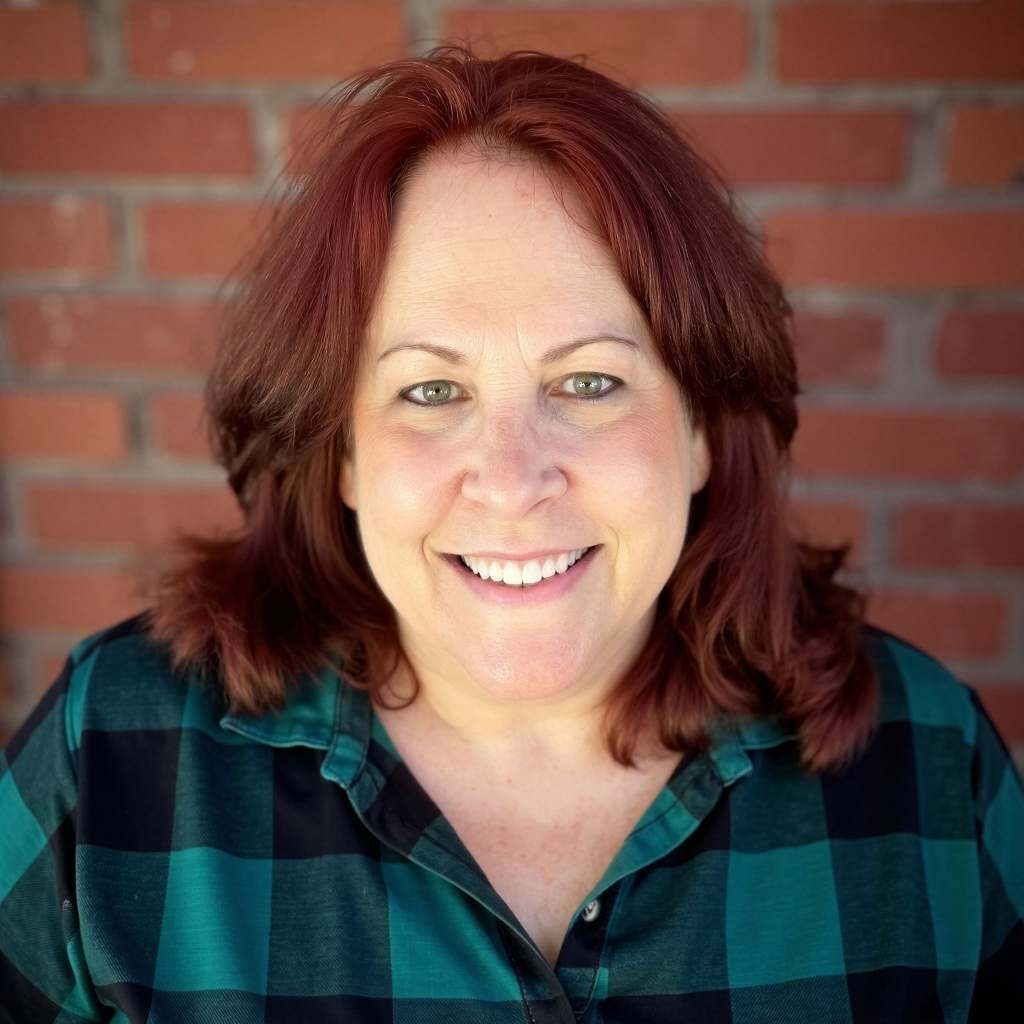
As an out lesbian since I was a teenager, I felt forced, in many ways, to be “in the
closet,” while I was a public high school teacher. But then, when I became
involved with a previously straight woman who was a teacher at my same school,
everything changed. I was now involved with a flag-waving, card-bearing, totally
uncloseted brand new “baby” lesbian. No longer could I remain undercover at
the school. Things got tricky from there….
I had always felt that the teacher-student relationship is a precarious one. Most teachers
develop rapport with the students in a professional way, in that students are not our “friends.”
However, we are friendly in many ways that can benefit the learning environment. The fine
balance between keeping it professional and entering into a compassionate, benevolent, and
understanding position with students has always been challenging but important for me.
To get into the fraught history of teachers’ personal lives in the classroom: in the 19th Century,
female teachers were prohibited from getting or being married. Marriage was seen as a
distraction from teaching duties, and teaching was seen as a distraction from homemaking
duties. There were some school districts in the US who maintained this law well into the 1940’s.
As reforms for women swept the nation after WWII (think of Rosie the Riveter going to work in
the munitions factories), one area that did not gain any reform at all was LGBT rights in the
teaching profession. To this day in Florida, there is a law called “Don’t Say Gay” in the
classroom. Between 1957 and 1963 a state legislative committee in Florida actively pursued
gay and lesbian schoolteachers and professors, subjected them to interrogation without regard
for due process, fired them from teaching positions, and revoked their professional credentials.
As for myself, I have walked a tightrope, in my mind anyway. As a gay teacher, I do not feel that
it is right to share my personal life with students. This is not due to any law, but it is a result ofmy individual life philosophy. Most teachers do share, however. Even something as simple as
placing family photos on the desk is something that every heterosexual teacher does freely, and
when asked about it, these teachers proudly discuss their spouses and children. It is a luxury
that we gays do not have, not really.
I came out during my high school, and I was virtually NEVER in the closet. Somehow, I just
always felt secure about my sexuality and lifestyle. When I first started teaching, I was in a
semi-serious relationship that I carefully concealed at school, yet blatantly flaunted during my
South Beach days. It was 1986–89, and South Beach was rife with gay people and places to
go—it was very fabulous. Not only that, but Gay Pride festivals all over the country gave us the
chance to feel more pride and unity. In 1988 I went to the New York City Gay Pride March:
There were marchers down 5th Avenue as far as the eye could see. It was inspiring.
However, as my teaching life progressed, I just refused to discuss my personal life with students
ever. Oh and my goodness—did they ask about it!
Kid: Ms. Silverman, are you married?
Me: No.
Kid: Why not? (Can you believe that chutzpah?)
Me: Oh I guess I just haven’t found the right person yet.
Kid: But do you have a boyfriend?
Me: Why aren’t you working on your assignment?
It wasn’t easy or pleasant in those instances. I didn’t like being so secretive. There were many
students I really liked and I didn’t like being disingenuous with them. However, I also did not and
still do not have any interest in ever discussing such personal things in any class—any type of
personal things. Mainly, it just removes the focus from actual education if the students are
imagining what teachers are doing in the sack!
In about 2005, I began a relationship with a previously married (to a man) teacher at my school.
She almost immediately became like a walking banner for the gay cause: this lady who had just
come out was now unabashedly out and proud to anyone who wanted to know. It was difficult
for me to be in this situation because, as I’ve said many times, I do not like to publicize my
personal life at school. It was an issue!! Oh my—and was this relationship controversial and
discussed intensely by the faculty! In fact, the nosey ladies (primarily) of the Math Department
could not stop expressing their distaste for us– the newly publicized scandalous couple. The big
problem was that they all somehow noticed that she had removed her wedding ring!! What a
villain I must be for corrupting this happily married lady! Reality check: It certainly was not true…
I was not the first to pursue the relationship. Quite the opposite.
At one point, I had to go to the Teachers Union and tell them that these math teachers were
harassing us and that it had to stop. Well the Union came through… and those old biddies had
to kind of shut up about it. After that, we were pretty much just a fact of life at the school. Even
the administration knew. I still didn’t discuss it in my classes ever, but gay-identified studentskept landing in my classroom to just sit around and socialize after school or during lunch. Quite
a few students were coming out at that time. Plus, I would say that maybe 5 or 7% of the
teachers were, in fact, gay, and most of the students knew it. It became just another thing, like
which teachers have a dog.
Years later, I still do not discuss my personal life with my classes. The only exception is if, after
they graduate and we remain in contact as friends, then they do become more privy to these
bits of information.
Therefore, and in an instance of full-out irony, I have unconsciously been a supporter of the
Florida governor’s “Don’t Say Gay” law, but I would imagine our philosophies and reasons for it
are diametrically opposed.
The irony is that I have never needed a law to keep my personal life out of the classroom. My
boundaries were self-imposed and deliberate. Not because I was ashamed, and not because I
was afraid—but because I believed the work mattered more than the spectacle.
Over the decades, students changed, laws changed, culture shifted. What did not change was
my conviction that the classroom belongs to the students. My life was never a secret. It was
simply not the curriculum.
(This article was excerpted from portions of my book Red Pens, Blue Screens: A
Teacher’s Life Through Politics, Technology, and Cultural Upheaval—available on
Amazon.)

